
Looking after someone else’s dog involves much more than providing food, water, and occasional walks. Every dog has unique routines, behaviors, health needs, and comfort levels. Following practical dog sitting tips can help prevent accidents, reduce anxiety, and create a positive experience for the dog and sitter.
Learn the Dog’s Routine
Dogs often feel secure when their daily routines remain consistent. Before the owner leaves, ask about feeding times, walking schedules, sleeping arrangements, bathroom breaks, medications, and household rules.
Find out which commands the dog understands and whether certain situations trigger fear or unwanted behavior. Dogs that have completed dog obedience training may follow established cues, but consistency remains important. Use the same commands, expectations, and reward methods as the owner whenever possible.
Make the Environment Safe
Carefully inspect the home or sitting environment for possible hazards. Secure cleaning supplies, medications, electrical cords, rubbish bins, small objects, and foods that may be toxic to dogs. Check doors, windows, fences, gates, collars, harnesses, and leads before letting the dog outside.
Never leave a dog unattended in an unfamiliar garden until you know the area is secure. Even a normally calm dog may attempt to escape when its owner is away or when unfamiliar noises cause stress.
Introduce New Surroundings Gradually
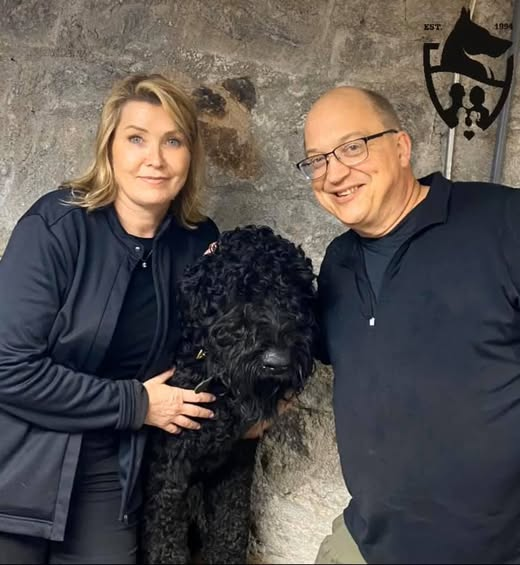
If the dog will stay in your home, introduce the environment slowly. Allow the dog to explore one secure area before opening access to additional rooms. Bring familiar items, such as bedding, toys, bowls, or a crate, to make the space feel more comfortable.
If other pets are present, arrange calm and controlled introductions. Keep food, treats, toys, and sleeping areas separate at first to reduce competition. A professional dog trainer can offer guidance when a dog has a history of resource guarding, fear, or aggression.
Practice Safe Walks and Outings
One of the most valuable dog sitting tips is to avoid unnecessary risks during walks. Keep the dog leashed unless the owner has given permission and the location is fully enclosed. Avoid crowded parks, unfamiliar dogs, extreme temperatures, and situations that may become overwhelming.
People seeking dog training in Conyers, GA, can also work on leash manners, recall, and impulse control before leaving their dog with a sitter. Strong foundational skills can make walks safer and more manageable.
Prepare for Emergencies
Ask the owner to provide veterinary contact information, medication instructions, identification details, and an emergency contact. Discuss what to do if the dog becomes sick, gets injured, escapes, or displays sudden behavioral changes.
Learn to recognize warning signs such as repeated vomiting, breathing difficulties, collapse, severe lethargy, seizures, or unusual swelling. Contact the owner and a veterinarian immediately when urgent concerns arise.
Prioritize Comfort and Communication
Send regular updates so the owner knows how their dog is eating, sleeping, behaving, and adjusting. Meanwhile, give the dog space when needed. Calm interaction, predictable care, and gentle reassurance can make the separation easier.
Build Safer, More Reliable Behavior with World Class K-9
Prepare your dog for positive experiences at home and away with guidance from World Class K-9.
As a trusted leader in professional dog training and safety, the team helps develop obedient, confident, and reliable K-9s that combine dependable protection with loving companionship. Choose World Class K-9 as your training partner and give your dog the skills needed to handle new people, places, and routines successfully.