
For years, dog owners have been told that successful training requires establishing themselves as the “alpha” or dominant member of the household. However, modern canine behavior research challenges this belief. Traditional pack leader dog training often relies on outdated assumptions about wolf behavior, potentially creating unnecessary tension between dogs and their owners.
Understanding how dogs actually learn can help owners build stronger relationships, encourage cooperation, and address behavioral challenges more effectively.
Understanding the Myth Behind Pack Leader Dog Training
The concept of pack leader dog training originated partly from early studies of captive wolves, where researchers observed dominance-related behaviors. These findings were later applied to domestic dogs, encouraging owners to establish authority through strict control.
However, subsequent research has shown that wild wolf packs generally function as family groups rather than constant competitions for dominance.
Domestic dogs also have different social behaviors and learning needs. Actions such as jumping, barking, or pulling on the leash do not necessarily indicate attempts to challenge an owner’s authority.
Why Dominance-Based Training Can Create Behavioral Problems
Training methods that emphasize intimidation, physical corrections, or forced submission can increase stress and interfere with learning.
Potential consequences include:
- Increased anxiety: Dogs may become uncertain or fearful during training.
- Defensive aggression: Confrontational handling can trigger defensive reactions.
- Reduced confidence: Dogs may hesitate to explore or respond independently.
- Weakened trust: Repeated intimidation can damage the relationship between dogs and their owners.
These concerns are particularly relevant to aggressive dog training, where understanding the underlying causes of aggression is essential for developing safer behavioral responses.
How Modern Dog Behavior Training Encourages Better Learning
Modern dog behavior training emphasizes communication, consistency, and reinforcement rather than establishing dominance.
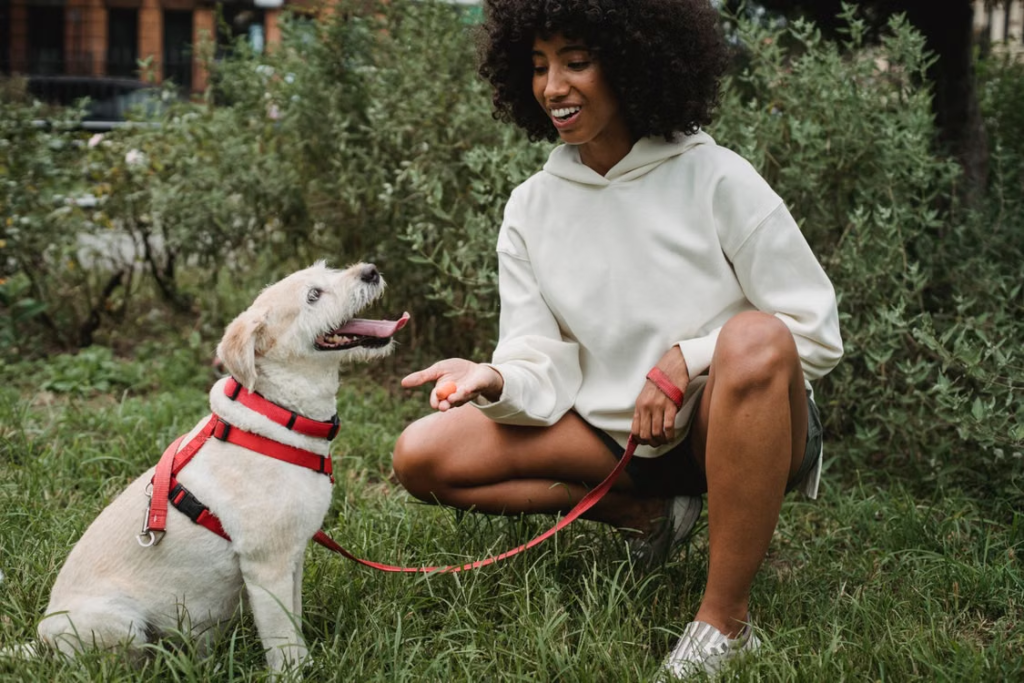
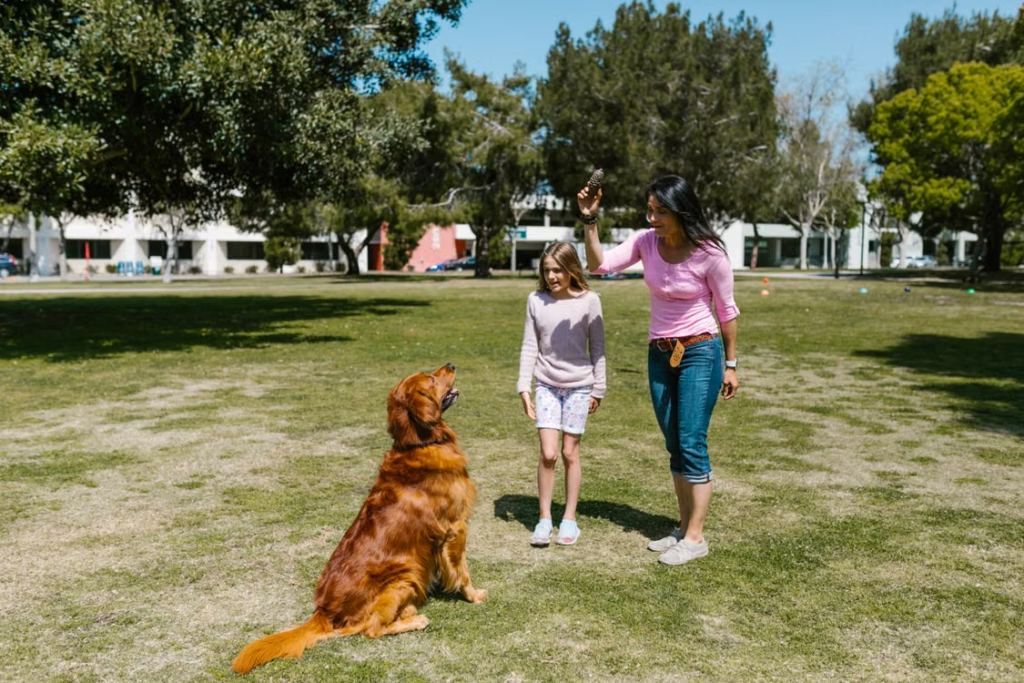
Dogs learn through associations and the consequences of their actions. Rewarding desirable behaviors helps them understand which responses are expected.
For example, rewarding a dog for sitting calmly when visitors arrive teaches an alternative to jumping. Similarly, reinforcing loose-leash walking encourages better habits during daily outings.
Clear commands, predictable routines, and appropriate rewards make training easier to understand while supporting a positive learning environment.
Leadership Should Mean Guidance, Not Control
Being a responsible dog owner still requires establishing boundaries and expectations. However, effective leadership involves teaching dogs how to behave rather than demanding submission.
Professional K9 training services can help owners develop structured routines, improve communication, and address specific behavioral challenges.
For owners considering advanced dog training in Conyers, GA, understanding the distinction between leadership and dominance is especially valuable when developing obedience, reliability, and appropriate responses in challenging environments.
Building Confidence Through Effective Training
Successful training should develop dogs that respond reliably without relying on fear.
Consistency, patience, and reinforcement help dogs understand expectations across different situations. Whether teaching basic obedience or developing advanced skills, the goal should be dependable behavior and a trusting relationship.
Moving beyond outdated pack leader dog training allows owners to focus on what matters most: clear communication, safety, and lasting behavioral improvement.
Build a Stronger Partnership With World Class K-9
Great training is not about proving who’s in charge. It’s about developing a dog you can confidently trust.
World Class K-9 is a leader in professional dog training and safety, with skilled trainers dedicated to developing obedient, confident, and reliable K-9s. Our commitment is to help dogs achieve the ideal balance between protective capabilities and loyal companionship.
Discover how professional guidance can strengthen your dog’s skills and your relationship.
Connect with us to explore our training programs today!