
Dog agility training is often associated with fast, athletic breeds competing on obstacle courses. However, agility is not only a competitive sport. It is an adaptable form of exercise that can benefit dogs of nearly every breed, size, and experience level.
From weaving around poles to navigating tunnels and stepping over low jumps, agility activities challenge a dog’s body and mind. When introduced safely, these exercises can improve fitness, confidence, obedience, and communication between dogs and their owners.
Improves Physical Fitness
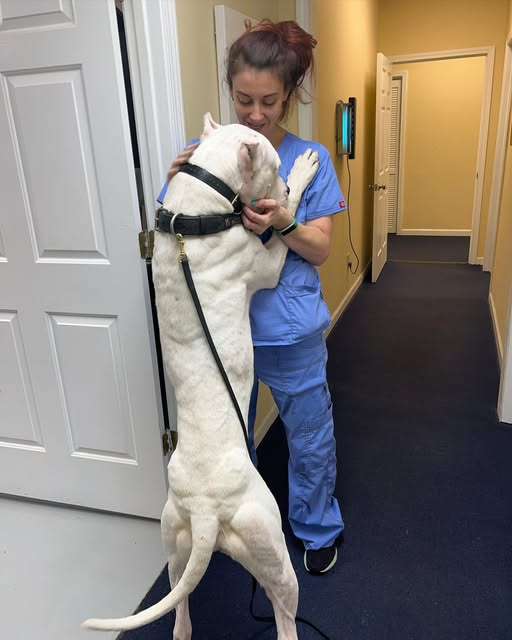
Regular movement is essential for maintaining a dog’s overall health. Dog agility training encourages dogs to run, turn, climb, balance, and change direction. These movements can help strengthen muscles, improve coordination, support flexibility, and increase stamina.
Agility exercises can be adjusted according to a dog’s age, breed, size, and physical condition. Smaller dogs may use lower equipment, while senior dogs can participate in slow, low-impact activities. Owners should always consult a veterinarian before beginning a new exercise program, particularly if their dog has joint or mobility concerns.
Provides Valuable Mental Stimulation
Dogs need mental challenges as much as they need physical exercise. Learning how to complete an obstacle course requires concentration, problem-solving, and memory. Each new task encourages dogs to observe their handlers, understand commands, and make decisions.
Mental stimulation can also reduce boredom, which may contribute to unwanted behaviors such as excessive barking, chewing, or digging. A professional dog trainer can introduce exercises gradually, helping dogs remain engaged without becoming confused or overwhelmed.
Builds Confidence in Dogs
Some dogs hesitate when faced with unfamiliar objects, surfaces, or environments. Agility training allows them to explore new challenges in a structured and supportive setting.
Completing a tunnel, walking across a platform, or moving through weave poles can give a hesitant dog a sense of accomplishment. Positive reinforcement helps the dog associate new experiences with encouragement and rewards. Over time, this can create a calmer, more confident response to everyday situations.
Reinforces Obedience and Focus
Agility depends on clear communication. Dogs must listen for verbal cues, follow hand signals, wait for instructions, and remain focused despite distractions. For this reason, agility can complement traditional dog obedience training.
Owners seeking dog training in Conyers, GA, may find that agility exercises make obedience lessons more engaging. Skills such as recall, impulse control, attention, and directional commands are naturally practiced throughout each session.
Strengthens the Owner-Dog Bond
Agility is a cooperative activity. The handler guides and encourages the dog, while the dog learns to trust the handler’s directions. Working toward shared goals can strengthen communication and deepen the bond between them.
Training sessions also provide opportunities for positive interaction. Rather than focusing only on correcting unwanted behavior, owners can celebrate progress and enjoy meaningful time with their dogs.
Agility Is for Every Breed
Not every dog needs to become a competition champion to enjoy agility. Courses and activities can be modified to suit individual abilities, making the experience accessible to many breeds. The goal is to keep training safe, rewarding, and appropriate for each dog.
Turn Training Into a Rewarding Adventure
Help your dog become more active, attentive, confident, and connected through purposeful training. World Class K-9 is a trusted leader in professional dog training and safety, with skilled trainers who help develop obedient, dependable K-9s that offer the ideal balance of protection and companionship. Partner with World Class K-9 to discover a training program designed around your dog’s abilities and goals.